Press release
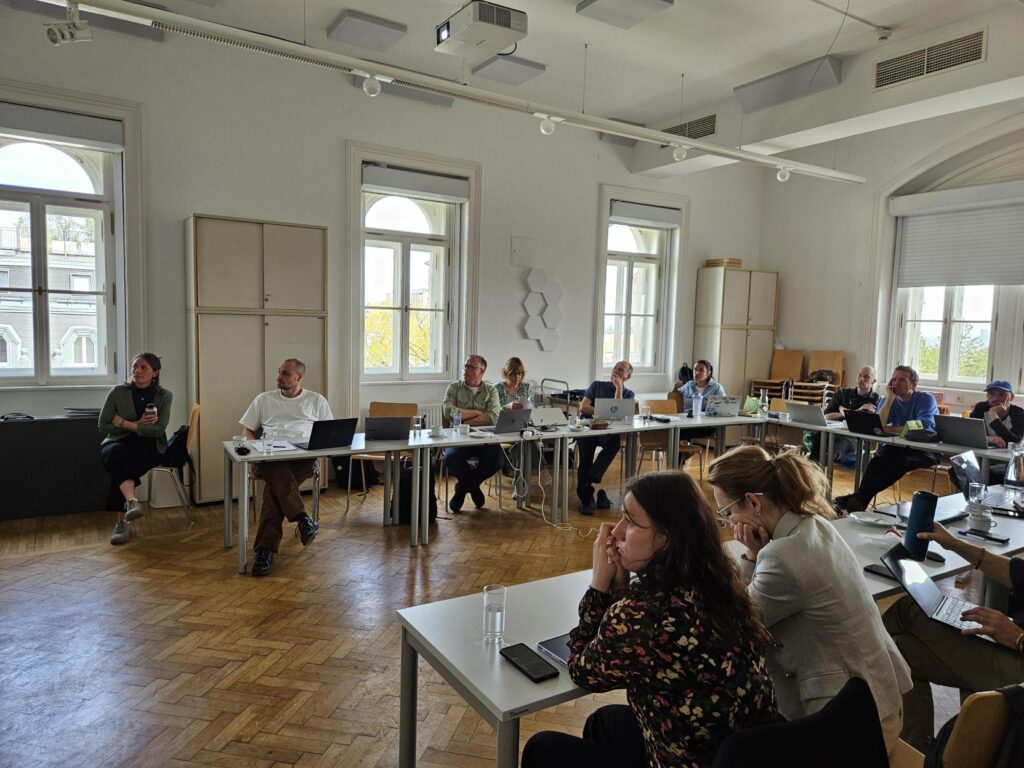
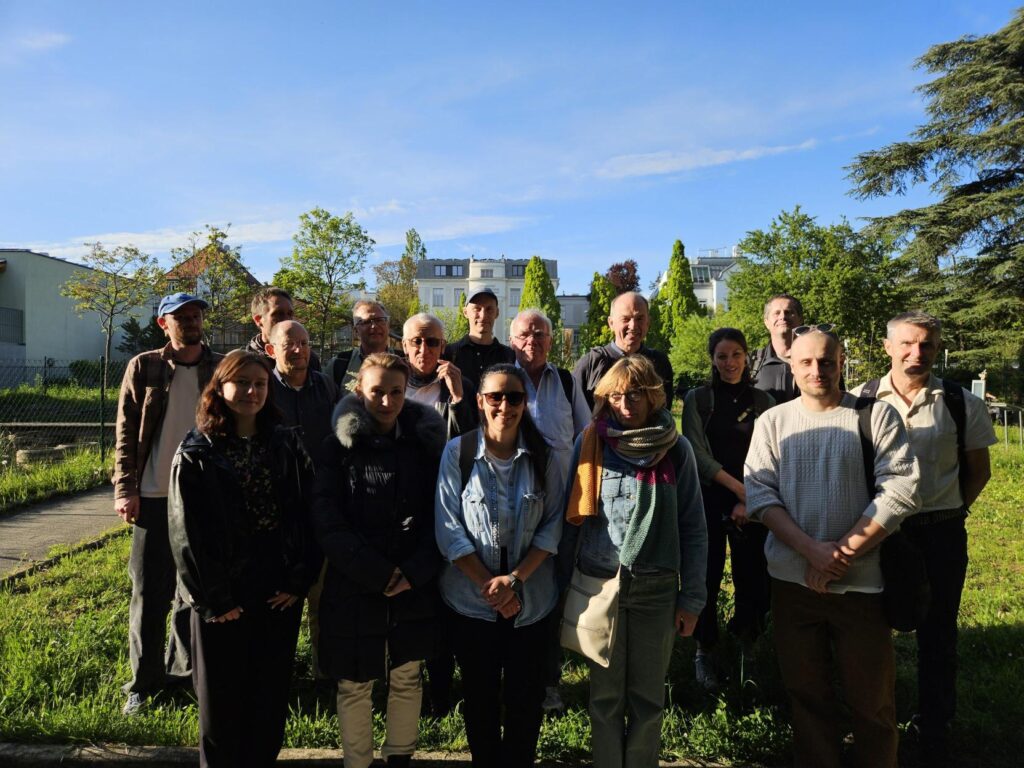
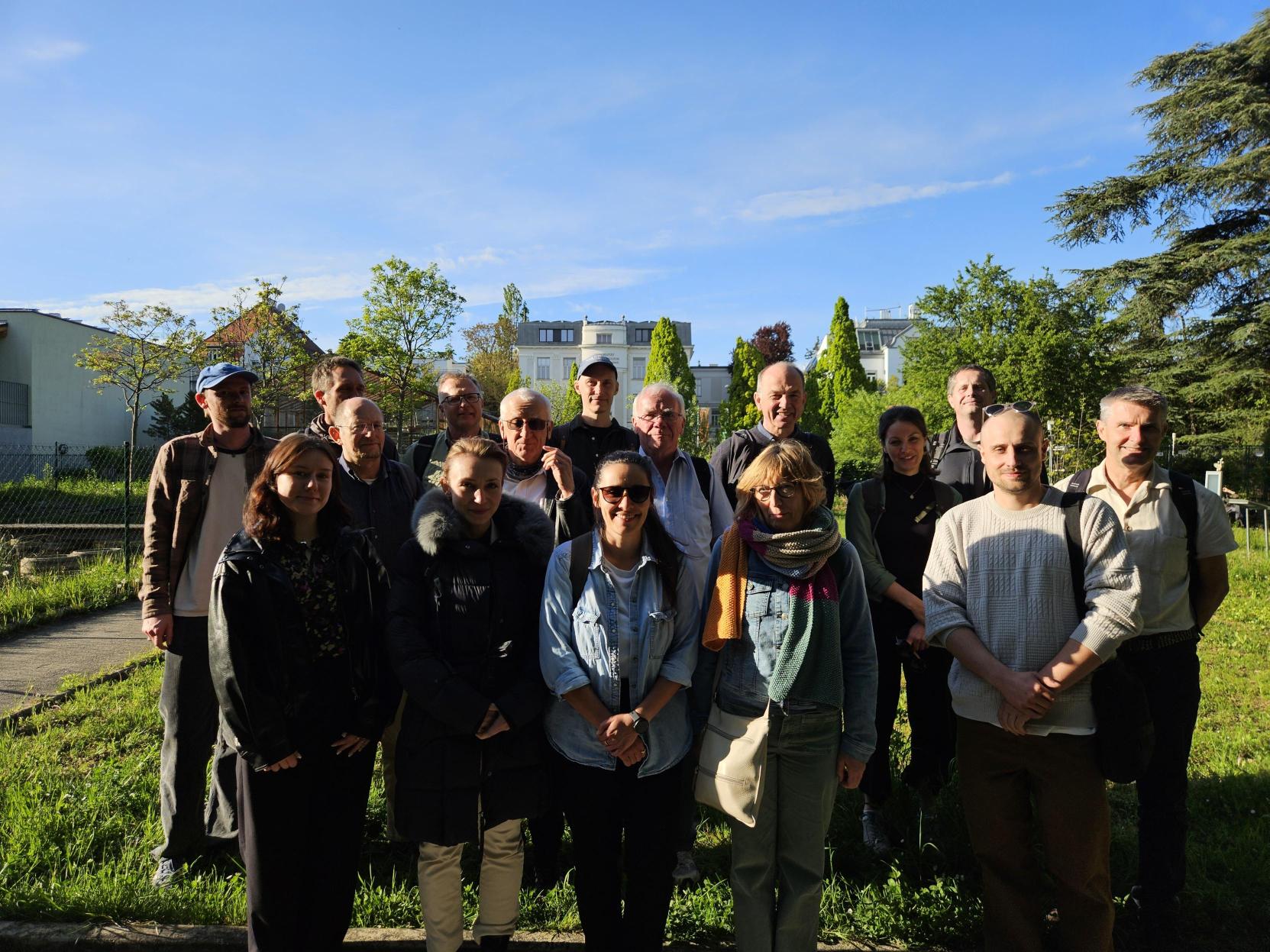
On 28 April 2026, partners of the Horizon EU-funded research project “Protecting threatened river fish against predation (ProtectFish)” met in Vienna for the 2026 General Assembly meeting. This meeting was hosted by BOKU University.
Throughout the meeting, leaders of each of the project’s Work Packages presented key updates on ongoing activities, collaboration across partners, and priorities for the 2026–2027 period.
A key development under project coordination (Work Package 1) is the appointment of Kim Birnie-Gauvin as new coordinator for (Danmarks Tekniske Universitet Aqua). Thereby succeeding Niels Jepsen following his retirement in January 2026.
Dr. Birnie-Gauvin shared results and findings from the February 2026 review meeting with the European Commission
Under Work Package 2, partners (Aarhus University) reported on the 11th International Conference on Cormorants held in Prague and co-financed by ProtectFish. One of the key conference outcomes is an upcoming special issue of the journal Ornis Fennica. This dedicated to the “Ecology of cormorants in a changing world”, to be published in Spring 2027.
The coming year will bring a considerable amount of work under WP2 to collect data and report the breeding count – which is to be organised in 2026-2027. There are some indications that DG ENV under the European Commission will find funding for organizing a wintering cormorants’ count will in January 2027 which would be a valuable supplement to the 2027 count of breeding colonies – according to the WP leader Aarhus University.
Under Work Package 3, representatives from the Federal Institute of Hydrology – BfG shared that the EU-listed river fish’s monitoring status evaluation is completed, compiled and interpreted. During their work, the partners monitored a general lack of appropriate data on monitoring of protected fish species and consequently on fish densities. A major problem relates to the lack of method and data standardisation.
BfG representatives modelled a “minimal viable population size”, which includes stressors – having an impact on fish populations. BfG shared that the most relevant environmental stressors are predation, exploitation, flow regime and water temperature.
Field activities remain central to the project. Updates were presented by Work Package 4 leader BOKU University. They highlighted extensive monitoring and management work across test sites, aiming at a better understanding of how cormorant management measures influence bird behaviour, and how predation pressure affects fish populations.
BOKU also reported challenges, particularly regarding permitting procedures.
A notable innovation presented during the meeting is the development of an AI-based tool to automatically detect cormorants in camera trap images, elaborated by Aarhus University. The system is capable of processing around 1.2 million images from a single monitoring season, significantly reducing the manual workload required for data analysis. While performance is strong under certain conditions, accuracy varies across sites due to vegetation and species diversity, and further validation of the game camera pictures is ongoing through manual review.
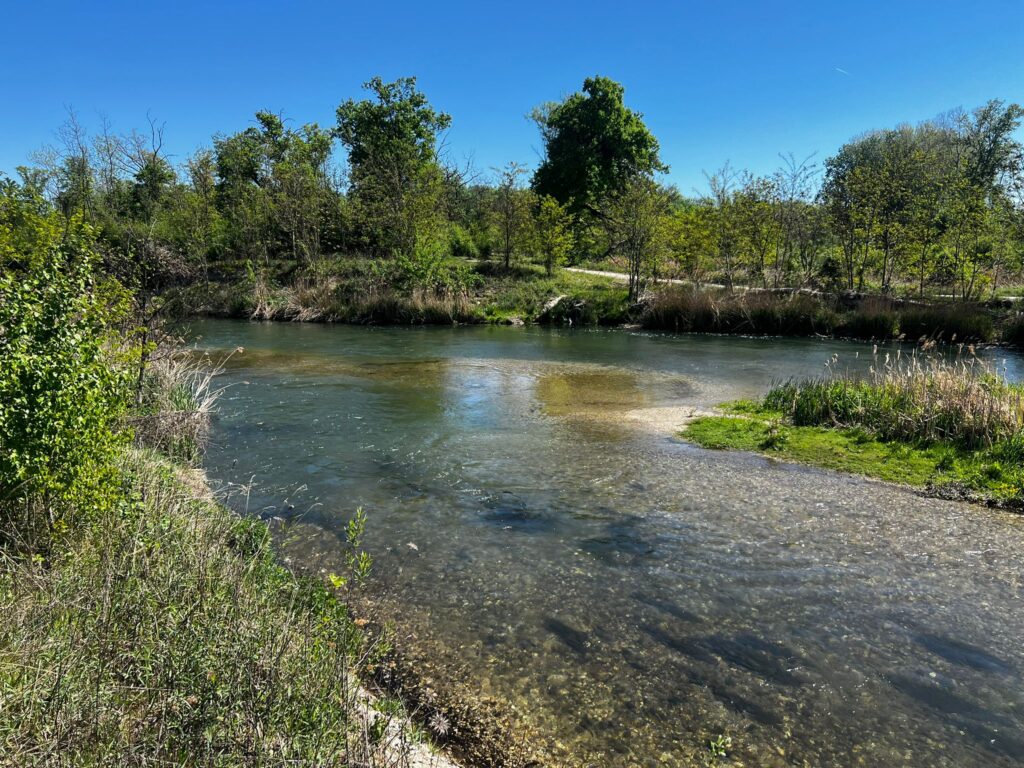
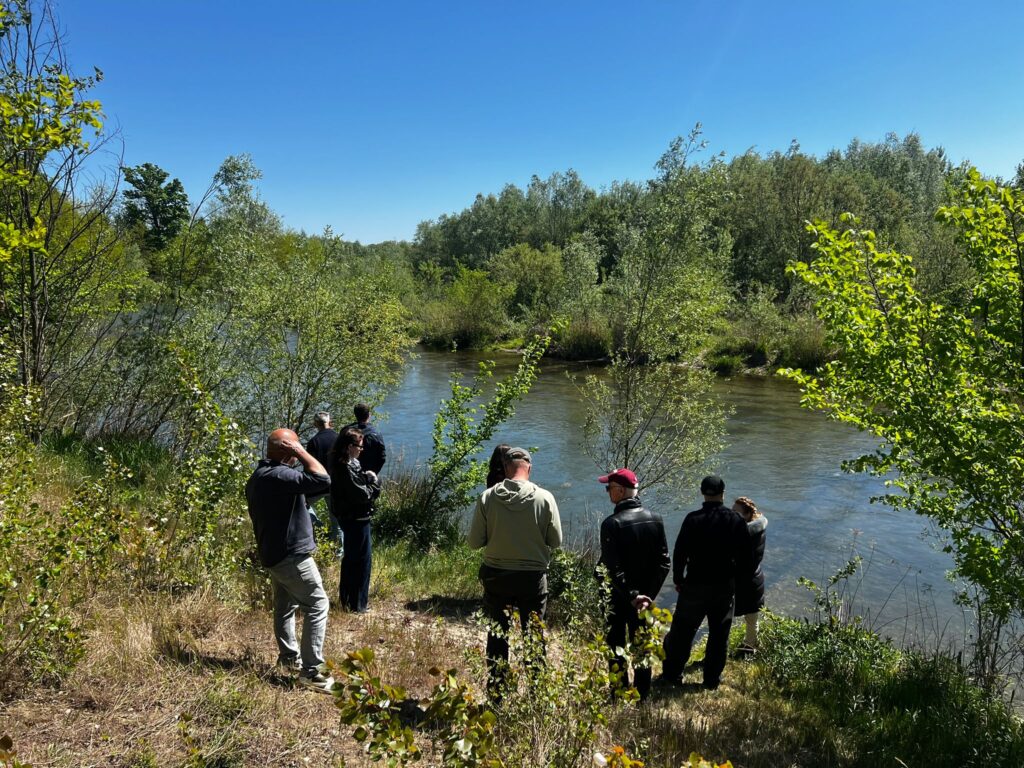
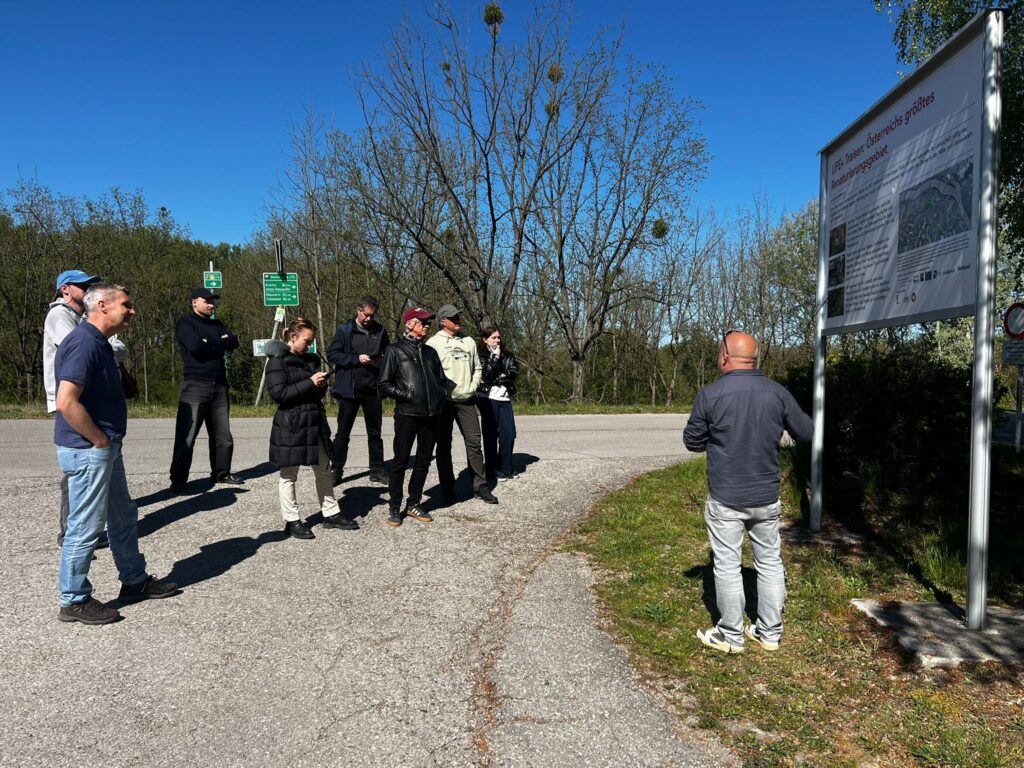
ProtectFish partners took part in a field visit to the Traisen River (Lower Austria), a test site focusing on the spawning habits of spring-spawning fish species and providing insights into ongoing restoration and monitoring activities within the MERI project.
ACCESS THE PRESS RELEASE (PDF FILE) VIA THIS LINK
END
Media contact or for any further information:
Aliénor : protectfish@alienor.eu
Pictures